Search Intent in Content Strategy: Boost Conversions in 2026 | Pella Force
How Search Intent impact on Content Strategy: The 2026 Guide to Higher Conversion Rates
Posted 2/26/2026
6 min read
A
By Atul Lohar
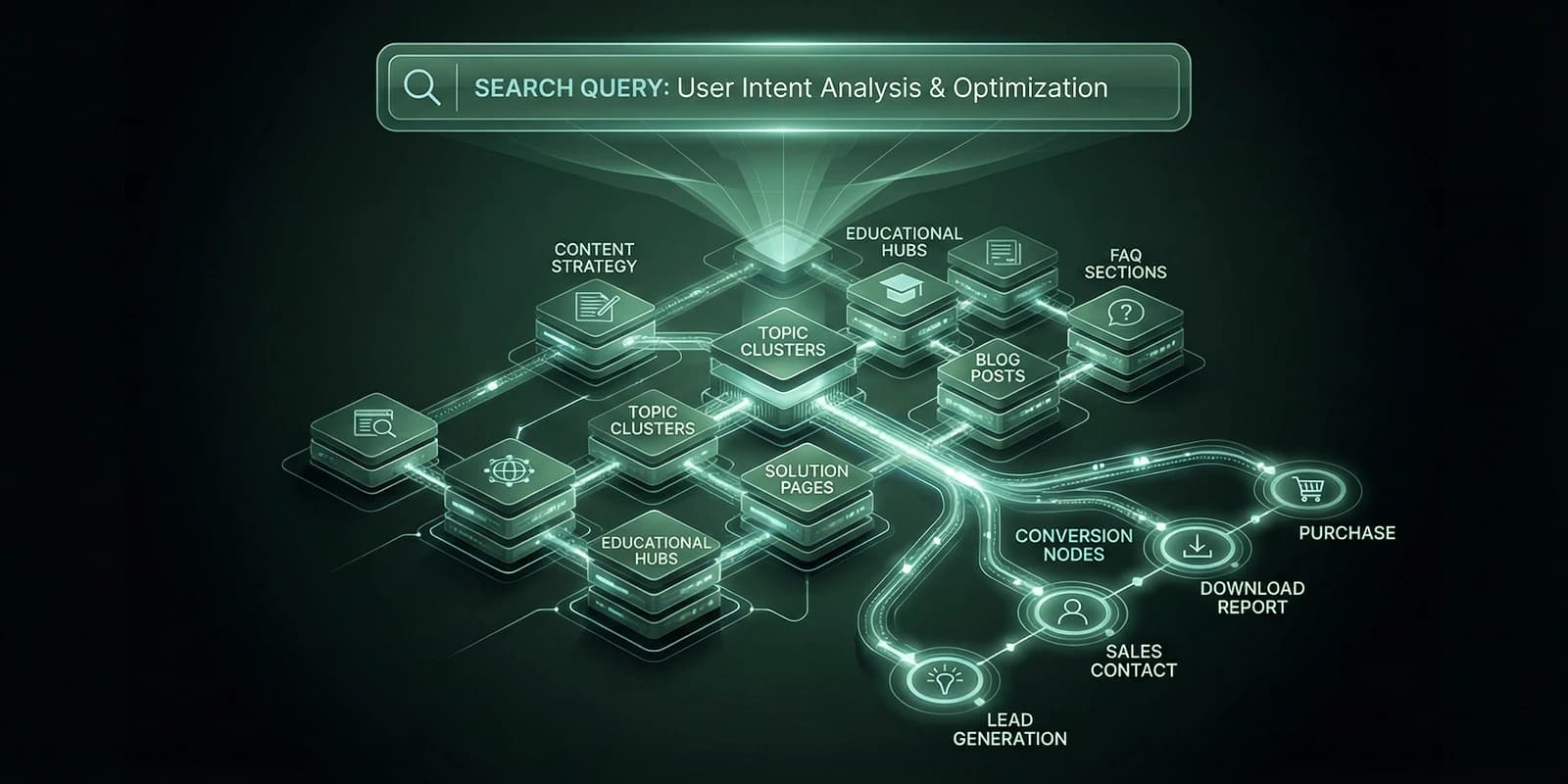
Search engines have drastically changed over the years. Accordingly, user behavior has also changed. Nowadays, people search online for more than just information. They also look for solutions and comparisons to make informed decisions. This is where search intent acts as a powerful tool for effective content strategy. It also leads to higher conversion rates as well.
In case your content is also striving for conversions despite traffic, Pella Force can be the solution. What may be missing is the intent behind the keywords. So, they rank and attract traffic and yet lag in conversions. The solution to this is understanding search intent. This digital marketing strategy lets you understand why someone searches what they search. You can then align your content according to the search intent to present personalized solutions. Read on as we discuss how search intent impacts content strategy and conversion rates.
What Is Search Intent?
Also known as user intent, search intent simply refers to the reason behind a search query. It is a way of understanding what the user is trying to search for and accomplish through a search. Below we have examples explaining different search intents:
● When a user searches for “what is search intent”, they are probably trying to learn
● When someone searches “search intent analysis tools”, they are evaluating analysis tools
● When someone searches “search intent analysis tools pricing”, they may be close to buying a tool
Here, keywords may look closely related; however, the intent behind the queries is quite different. That's how you can align content according to the user intent so that they find exactly what they are looking for.
****
Tip:Conducting a website audit can also assist in understanding search intent.
Every search query has a goal behind it. Knowing these four types of intents can assist you in developing content that matches well with what users want.
● Informational Intent
Informational users are those who want to learn or understand a subject. They are looking for clear explanations, definitions, or even directions. Educational blogs, "how-to" articles, and content that explains concepts are perfect examples of this type of content.
Examples: how does SEO work, what is customer journey mapping?
● Navigational Intent
The next one is Navigational Intent. It is all about users trying to get to a particular brand, website, or platform. Basically, they already know the destination, and therefore they use search to get there faster.
Examples: HubSpot login, Google Analytics dashboard.
● Commercial Investigation Intent
Users engaged in commercial investigation intent are considering their options before making the final decision. They might be comparing products, reading reviews, and looking for features, benefits, or prices to select the best option.
Examples: best social listening tools, SEO tools comparison.
● Transactional Intent
Transactional intent is a strong indicator of a user being ready to buy, subscribe, or book. These users want to have a clear picture, strong CTAs, and the least amount of obstacles while completing their actions.
Examples: buy CRM software, request an SEO audit
****
Why Search Intent Is Critical to Content Strategy
Traditional keyboard-based content often leads to a focus on ranking first. Intent-based content is all about catching the right message at the right moment.
When content aligns with intent:
● Users stay longer on the page
● Bounce rates decrease
● Engagement improves
● Conversions increase naturally
When it may not fit well:
● Traffic feels “hollow”
● Pages rank but don’t perform
● Users leave without taking action
In short, intent alignment turns visibility into value.
Tip: Website SEO audit is also crucial in building user-based strategies for online branding.
How Search Intent Shapes Content Creation
Now let's understand the purpose of search intent and how it impacts content strategy:
● Content Topics and Formats
Search intent is the key factor in determining what type of content you should produce. An informational intent keyword will rarely lead to a hard sale; a transactional intent user will prefer clarity and speed.
● Content Depth and Structure
The content of an informational character should be deep, clear, and educational. The content of a transactional character is to be simple, accompanied by trust signals and strong CTAs. When the depth is matched with the intent, the users will be kept engaged rather than being overwhelmed or under-informed.
● Tone and Messaging
Early-stage intent has to do with guidance and reassurance. Late-stage intent is about confidence, proof, and urgency. Your tone has to change according to the user's mind.
Impact of Search Intent on Conversion Rates
Conversion rates rise when consumers are truly understood. Here's how matching intent with action leads to higher conversion rates:
● Users get to see what they have been looking for
● It becomes easier to make decisions
● Trust builds faster
● Calls to action are seen as useful and not forced.
End Note
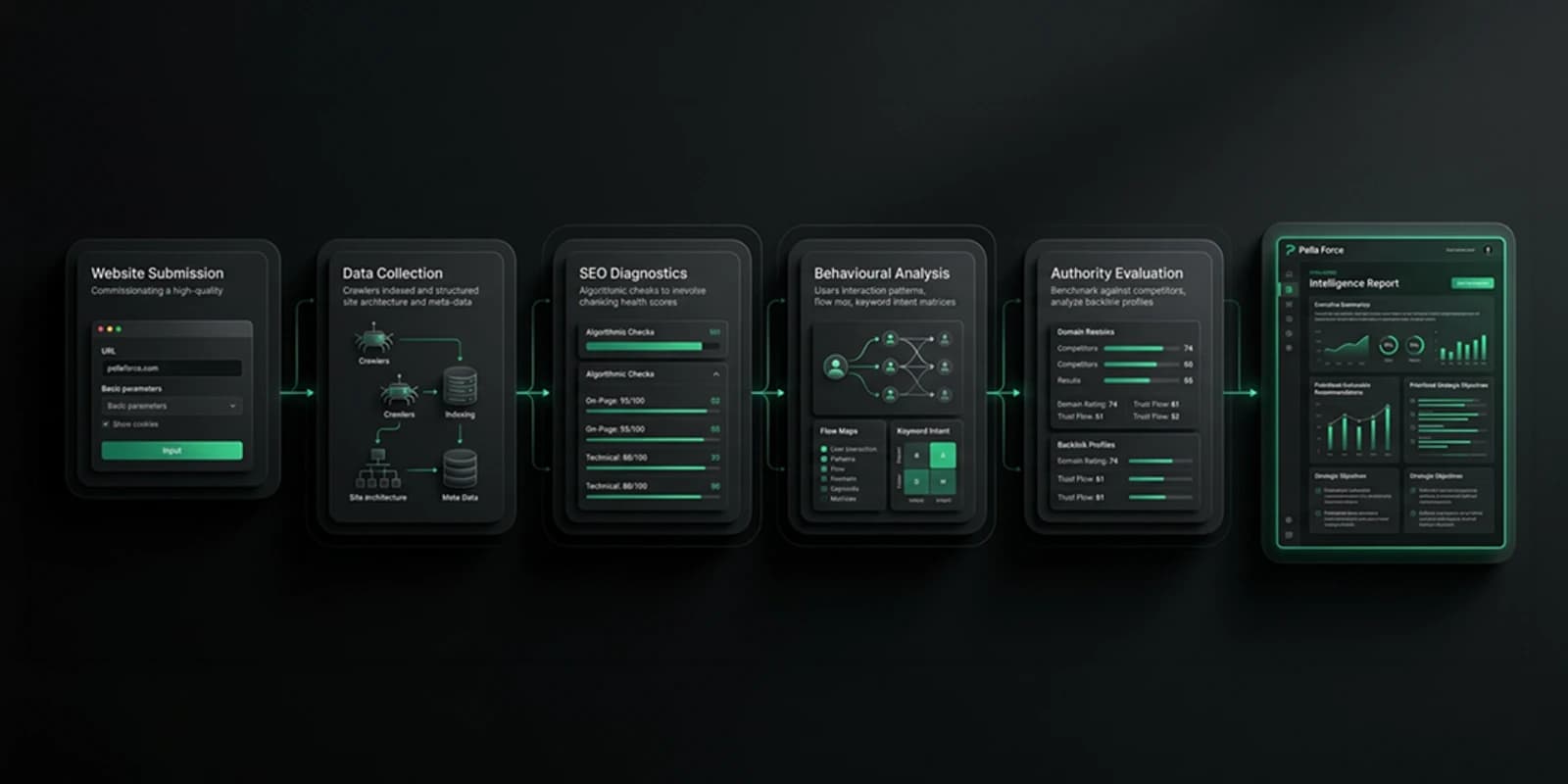
Understanding the queries of users directly assists in creating a personalized experience for each user. At Pella Force, we have an expert team with years of experience in this field. We present easy-to-understand reports on search intent analysis. Using these reports, businesses can plan their marketing accordingly. Connect with us today to start a more focused digital marketing strategy.
****
Frequently Asked Questions
1. What differentiates keywords from search intent?
Keywords are simply the words that users type in, while search intent is the intent behind those words. Intent reveals the reason why a search is made.
2. What role does search intent play in SEO rankings?
Search engines are inclined to give top spots to contents which meet user intent. Content that is rarely in line with the intended use might even get the top spot at times, however, it may hardly maintain good performance.
3. Does intent-based content always have a higher conversion?
When the match is perfect, it does. This is because it lowers resistance and provides value that is consistent with user expectations.
4. At what intervals should search intent be checked?
Frequently. Due to the changing user behavior, trends, and SERP layouts, the intents may shift over time.
5. Is search intent also a factor to consider in paid ads?
Definitely. Ads that are in sync with the intent obtain higher quality scores, better CTRs, and lower acquisition costs.
6. Can intent optimization lead to lower bounce rates?
It is possible. If users see what they are expecting, then it is highly probable that they will stay, interact, and get more involved.
7. How can I make my CTAs consistent with search intent?
Fit the CTA to the level of user readiness. Informative content requires gentle CTAs, whereas pages of a transactional nature require a direct action prompt